

Entering the story...
Entering the story...
Wild Fables · Conservation · Storytelling
We are a species wired for a good story. Long before the written word, we gathered around fires and listened. We shared tales of the hunt, of the spirit of the river, of the clever fox and the wise old elephant. These stories did more than entertain. They were our first maps, our first moral codes, our first connection to the world beyond our selves.
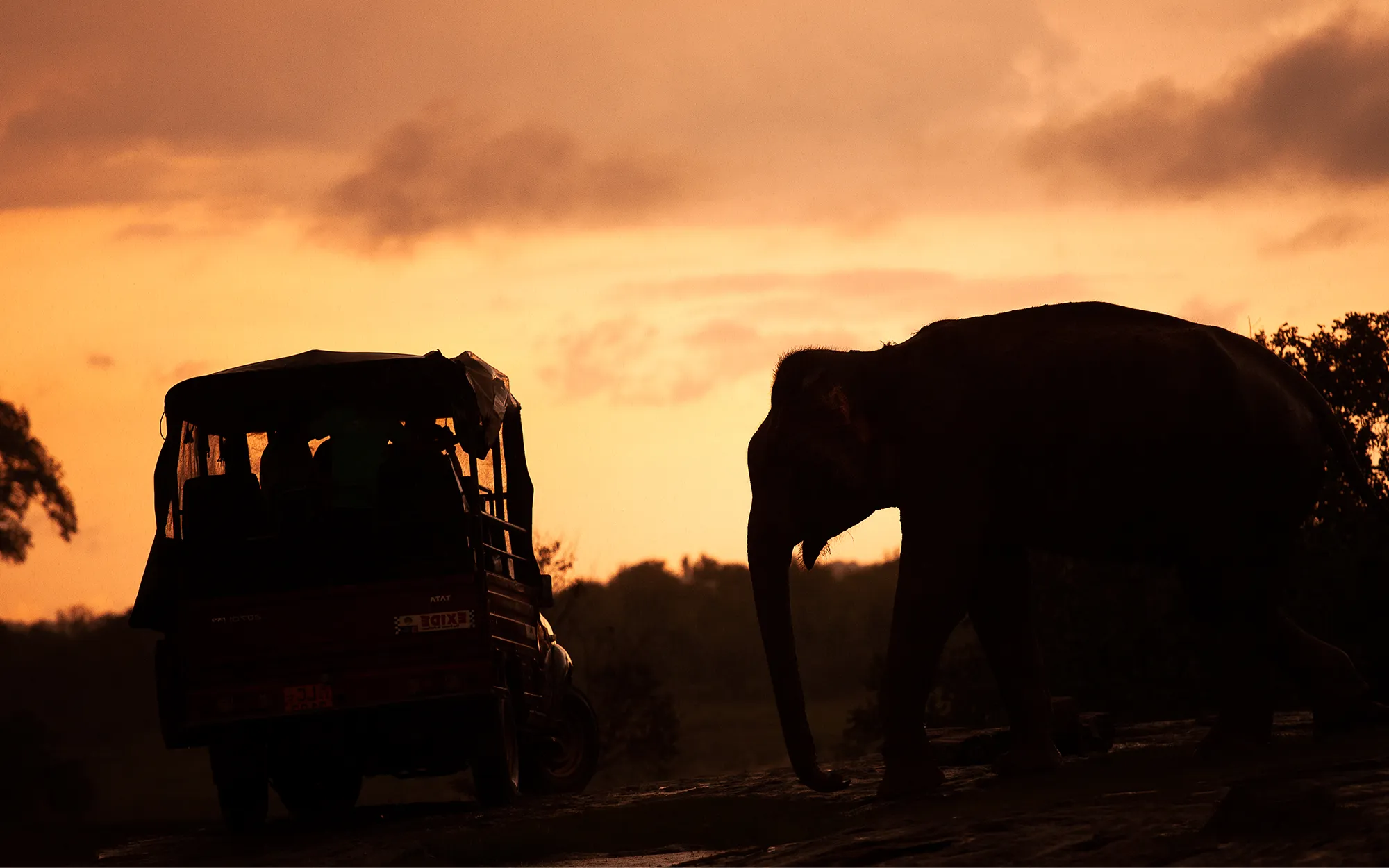
At Wildfables, we believe this ancient instinct is not a relic. It is the most powerful tool we have in the modern fight to preserve our planet’s dwindling wild spaces.
A wildlife travel experience is not merely a holiday, it is the act of stepping into a living story. And when we understand the wilderness as a narrative, rich with characters, drama, and meaning, we stop being spectators and become protectors.
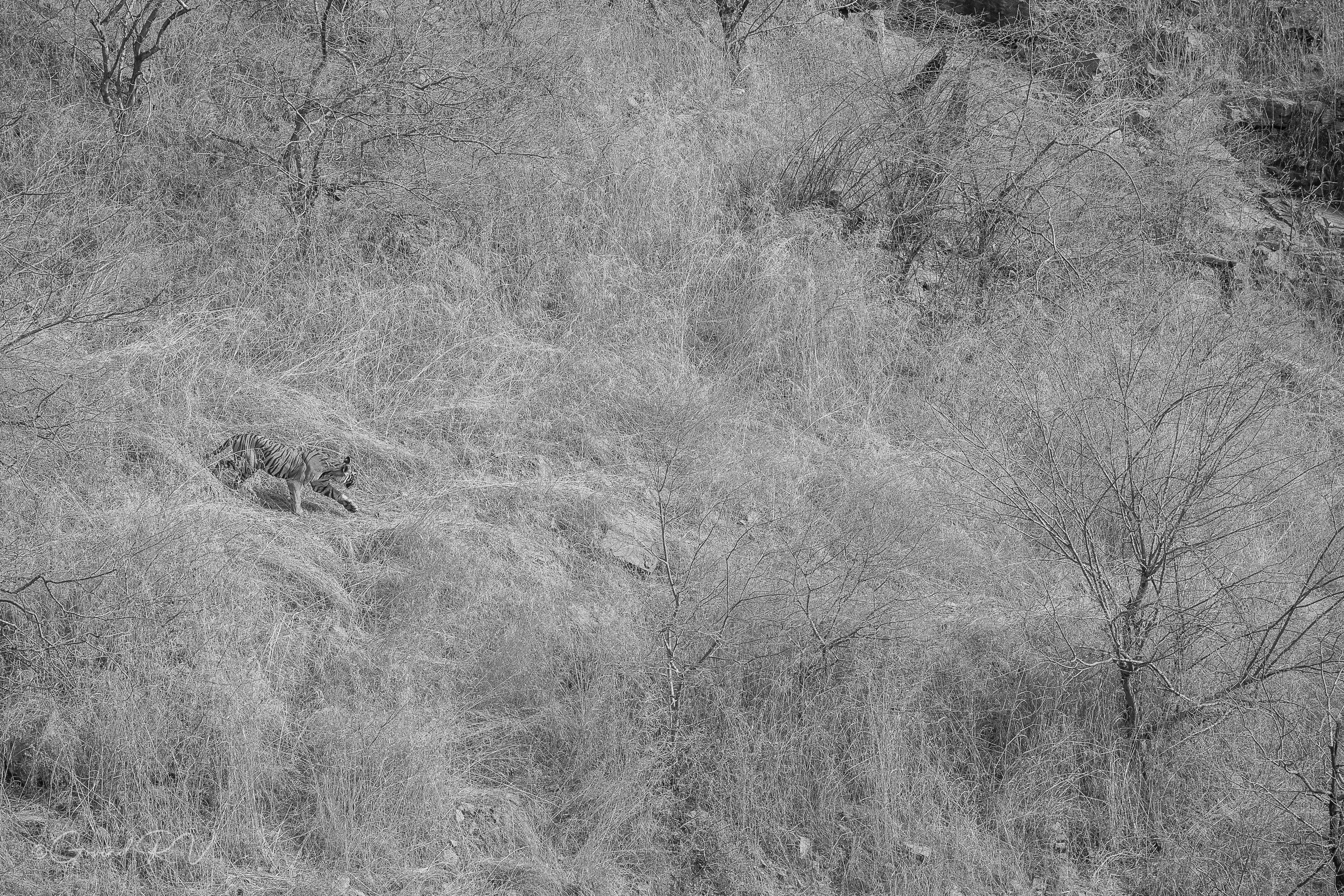
Our ancestors survived by reading the land like a book. This connection with nature was born of necessity, and storytelling was the medium through which this critical knowledge was passed down. The story of the tiger wasn't just a campfire thrill. It was a detailed manual: where it hunts, how it moves, the signs it leaves.
The legend of the elephant herd spoke of memory, matriarchy, and the pathways to water. These narratives transformed complex ecosystems into comprehensible, navigable worlds. They encoded respect and a profound understanding of interdependence.
While we may have traded that deep, practical wisdom for modern life’s conveniences, the primal circuitry for wonder is still wired within us. When we sit silently in a jeep safari in Bandhavgarh at dawn, our pulse quickens not just at the potential of a tiger sighting, but because a deeper part of us is reading the scene. We are scanning the sal forest, interpreting the alarm calls, feeling the tension of a plot we instinctively know how to follow. A wildlife tour re-awakens that primal reader within us.
A wildlife journey is not a holiday. It is the act of stepping into a living, breathing story.
Conservation science gives us vital data: population numbers, territory ranges, genetic diversity. These figures are the skeleton of understanding. But
stories put flesh on the bones, and a soul
in the body.
Consider this example:
Tigress T-12, female, 16 years old, territory core area 35 sq km.
This is Collarwali, the matriarch of Pench National Park. For well over a decade, she defended her riverside domain, raising countless cubs and becoming a symbol of resilience. Her legend, documented by rangers and guides, tells us of her cunning, sacrifice, and lineage. She wasn't a mere data point; she was a protagonist in the forest's epic.
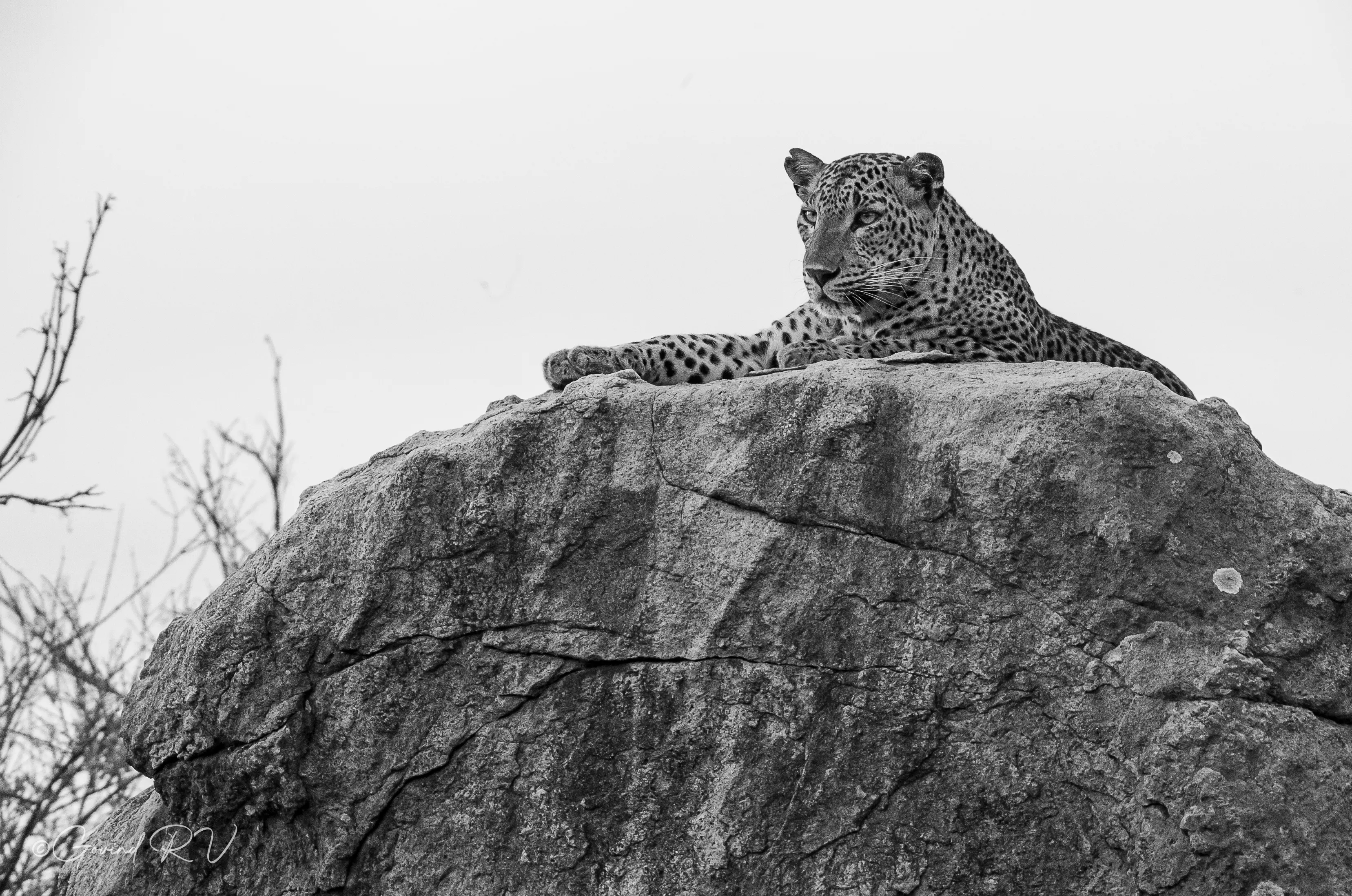
Every sighting becomes a character in your personal wild library.
This data is critical for biologists. However, the story is critical for
the heart. Because, it arouses empathy within us. We connect with Collarwali. We don't fight to save an abstract concept or a statistic. We fight to save a character we feel we know. We fight to ensure
the fable
of the tiger, the epic of the elephant herd, the redemption story
of the barasingha in Kanha and so on.
When you witness a sloth
bear trundling through the
dry forests of
Tadoba, or a
leopard lounging on a
rocky outcrop in
Ranthambore, you are not just witnessing a sighting. You are collecting a character. You are building a personal library of
wild fables that transforms the global conservation crisis from a distant headline into the potential end of a story you have now become part of.
This is indeed, the power of ethical
wildlife tourism.
Every national park and
tiger reserve in India is not just an ecosystem. It is a distinct literary genre.
Ranthambore is a historical drama, where the story of the tiger plays out against 10th-century ruins.
Kanha is a sweeping epic, home to the heroic legend of the hardground
barasingha, a tale of near-extinction and triumphant return set on vast maidans. The rivers of
Panna, carving through dramatic
gorges, write a thriller of survival and restoration, a narrative of life clawing back from the brink. Corbett is the foundational text, the origin story of
wildlife conservation in India, where the call of the wild is heard alongside the echo of Jim Corbett’s own transformative tales.
So, remember when you choose a wildlife
travel destination, you are choosing a genre. Are you in the mood for a dramatic thriller, a heartwarming redemption story, or a mysterious, undiscovered mystery? This framing through storytelling enriches the safari experience immeasurably. It gives context to the landscape, making every moment feel like a scene in a greater narrative.
This is where the mission of Wildfables reaches its culmination. Our purpose is not just to show you these stories, but to make you a storyteller. Your journey begins as a reader. You absorb the guide’s knowledge, the forest’s signs, the animal’s behavior. But the moment you witness a predator on the hunt, a herd of elephants communicating silently, or the golden light of sunset over a wilderness landscape, you become a witness. And a witness has a responsibility to testify. This testimony becomes a key engine of modern conservation in many forms.
This transforms eco-tourism from a passive activity into an active and a participatory one. Your visit, framed by narrative, creates economic value for living wilderness. It tells governments and local communities that a living forest, teeming with its ongoing stories, is more valuable than one cleared for timber or farmland.
The wilderness is the world’s greatest, unfinished manuscript. Its authors are the tigers, the elephants, the rivers, and the ancient trees.
The rangers and naturalists are its dedicated editors.
And we, as travelers and seekers, are its vital readers and scribes. Every wildlife safari, every moment of patient observation, every story we bring back, is a vote for this manuscript’s continuation. In a time
of habitat fragmentation and biodiversity loss, we are not just losing species; we are losing entire genres of stories, irreplaceable chapters in the epic of life on Earth.
We need wild fables because they remind us that we are not separate from nature. We are a character in its story.
We encourage you to go to the forests and the rivers. Listen to the alarm calls, read the tracks in the mud. Seek out the legendary tigers and the quiet, lesser-known tales. And collect these wild fables and share them with the world.